What to Expect During Professional Wildlife Removal Service
People seeking wildlife removal typically want safe, humane removal of animals from their property, and local service providers can handle the job professionally and effectively.
If you’re considering professional wildlife removal service, understanding what to expect can help ease any concerns about the process. Property owners in the area often turn to experienced service providers to handle unwanted animals safely and effectively, whether they’ve noticed signs of intrusion or want to prevent future issues. These services typically involve a thorough inspection of the property to identify entry points and problem areas, followed by humane removal methods tailored to the specific wildlife involved. Knowing the general steps involved can help you feel more prepared and confident in the process, ensuring that the situation is addressed efficiently and responsibly.
As you explore options for wildlife removal, it’s helpful to learn about the typical procedures local contractors follow during their service. Most professionals focus on humane removal techniques that prioritize safety for both the animals and the property owners. They often work to identify how animals are getting inside and then implement strategies to seal those entry points, preventing future visits. This approach aims to resolve current issues while reducing the likelihood of recurring problems, making it a practical consideration for property owners dealing with wildlife intrusions. Keep reading to discover how local service providers can assist in managing wildlife concerns effectively and responsibly.
- Bat removal - needed when bats roost in attics or walls, with local contractors safely excluding the animals and sealing entry points.
- Raccoon trapping - necessary when raccoons invade crawl spaces or chimneys, with service providers setting humane traps and removing the animals humanely.
- Squirrel exclusion - required when squirrels nest in eaves or rooflines, with local pros installing barriers and repairing entry points to prevent re-entry.
- Bird control - sought when birds build nests on rooftops or ledges, with wildlife specialists installing deterrents and removing nests safely.
- Skunk removal - needed when skunks burrow under porches or decks, with service providers trapping and relocating them while restoring the affected areas.
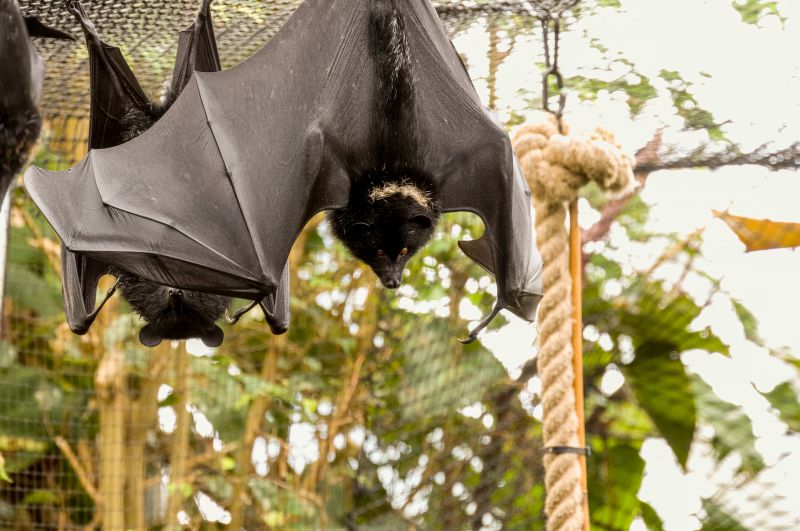
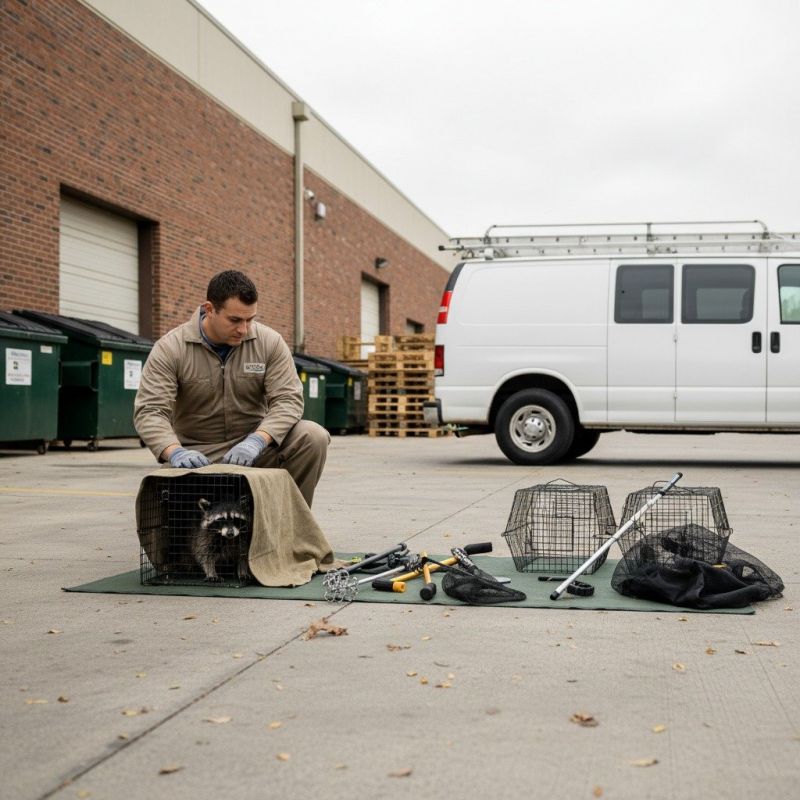
When searching for information about what to expect during professional wildlife removal service, homeowners are often seeking clarity on how the process unfolds and what steps are involved. Typically, this topic relates to situations where unwanted animals have taken up residence in or around a property, such as raccoons in the attic, squirrels in the walls, or bats in the eaves. People want to understand the scope of work, the methods used to safely and humanely remove animals, and what kind of disruption or mess might occur during the process. Knowing what to anticipate helps homeowners prepare for the service and make informed decisions about managing wildlife intrusions effectively.
Wildlife removal services generally address problems caused by animals that have entered structures or property areas, often leading to property damage, noise, or health concerns. These issues can include chewed wiring, droppings, or nesting materials that create unsanitary conditions. Many property owners plan to resolve ongoing infestations or prevent future ones through professional intervention. Wildlife removal specialists typically conduct an inspection to identify entry points, animal activity, and the extent of the problem. This assessment guides the removal process, which may involve trapping, exclusion, or sealing off access points, all aimed at safely and efficiently resolving the issue.
The types of properties that commonly come up during wildlife removal services include residential homes, especially attics, basements, and wall voids, as well as commercial buildings, barns, and outbuildings. Homes with older construction or those located near wooded areas tend to be more susceptible to wildlife intrusions. Properties with accessible roof vents, damaged soffits, or open eaves can provide easy entry points for animals seeking shelter. Service providers are experienced in handling wildlife issues across various property types, ensuring that the removal process is tailored to the specific structure and the nature of the intrusion.
During professional wildlife removal service, property owners can expect a thorough process that begins with an inspection to determine the animal activity and entry points. Once the assessment is complete, service providers typically set traps or use exclusion methods to remove the animals humanely. The process often involves some level of disturbance, such as opening up access points or removing nesting materials, but these steps are necessary to ensure complete removal and prevent future problems. After the animals are gone, the focus shifts to sealing entry points and recommending measures to discourage re-entry. Throughout the service, homeowners should be prepared for some ongoing activity until the removal and exclusion steps are completed, with the goal of restoring the property to a wildlife-free state.
Attic Insulation Installation - professionals often handle insulation work to prevent future wildlife intrusions and improve home energy efficiency, complementing wildlife removal efforts.
Exclusion and Sealant Services - local contractors specialize in sealing entry points after removal, ensuring wildlife cannot re-enter the property.
Pest Deterrent and Prevention Projects - these projects involve implementing barriers and deterrents that work alongside wildlife removal to keep animals away long-term.
Structural Repairs and Damage Restoration - contractors can repair damage caused by wildlife, restoring the integrity of the building after animals are removed.
Bird Control and Deterrent Solutions - local pros often provide bird exclusion and deterrent services, which are related to managing avian wildlife issues.
Rodent Proofing Services - these projects focus on eliminating rodent entry points, a common aspect of wildlife management and removal strategies.
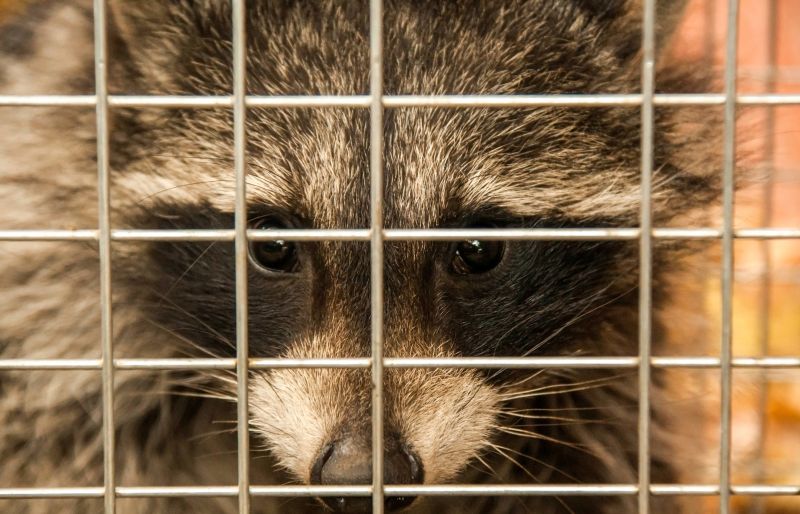
When evaluating wildlife removal service providers, it’s important to consider their experience with similar projects. Homeowners should inquire about how long a local contractor has been handling wildlife removal in the area and whether they have dealt with the specific types of animals involved. An experienced professional is more likely to understand the common challenges that can arise during the process and know effective methods for humane and thorough removal. This background can help ensure that the wildlife removal service will be equipped to handle the unique aspects of each situation, reducing the likelihood of recurring issues.
Clear written expectations are essential when comparing local contractors for wildlife removal services. Homeowners should seek detailed information about what the service will include, such as inspection procedures, removal techniques, and any follow-up actions. Having a transparent outline of the process helps prevent misunderstandings and ensures that everyone is on the same page regarding what to expect during professional wildlife removal service. A reputable provider will be willing to communicate these details in writing, giving homeowners confidence that the scope of work and responsibilities are well understood before any work begins.
Reputable references and good communication are key factors when choosing a wildlife removal service provider. Homeowners are encouraged to ask for references from previous clients or to seek out reviews that speak to the contractor’s reliability and professionalism. Effective communication throughout the process is also critical; service providers should be responsive, clear, and willing to answer questions or address concerns promptly. These qualities help create a smoother experience, ensuring that homeowners feel informed and confident about what to expect during professional wildlife removal service, and that the project proceeds efficiently and effectively.
Property owners often search for what to expect during professional wildlife removal service when they are planning practical projects around their homes and businesses. Local pros provide Wildlife Removal services for everyday jobs and straightforward project options.
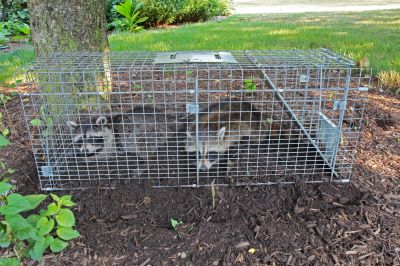
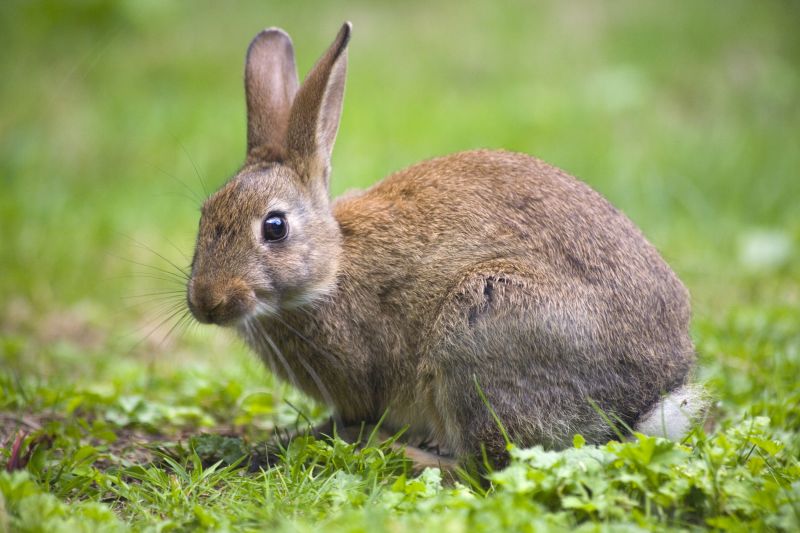
During professional wildlife removal service, property owners can typically expect a thorough assessment of the affected areas. Local contractors often begin by inspecting the property to identify the species involved and locate entry points or nesting sites. This initial step helps determine the most appropriate removal methods and ensures that wildlife is handled humanely and efficiently. Homeowners might notice that the process involves setting up humane traps, sealing entry points, or implementing exclusion techniques to prevent future intrusions, all carried out with safety and effectiveness in mind.
Throughout the service, property owners can anticipate clear communication about what is happening at each stage. Local service providers usually work discreetly to minimize disruption, and they often explain the steps involved in removing wildlife and securing the property. After the animals are removed, contractors may perform cleanup tasks or recommend additional measures to prevent re-entry. Understanding what to expect during professional wildlife removal service can help property owners feel more prepared and confident that the situation is being managed by experienced local experts.
What happens during a wildlife removal service? During a professional wildlife removal service, local contractors typically inspect the property to identify the wildlife involved, then use humane methods to remove animals safely. They may also seal entry points to prevent future intrusions and advise on exclusion techniques. The process aims to address the wildlife problem effectively while minimizing disruption to the property. Expect the service to be thorough and tailored to the specific situation.
Will the wildlife be present during the removal process? In most cases, wildlife removal services are scheduled when animals are less active or have already left the property. If animals are present during the service, local pros will handle their safe removal carefully. The goal is to remove animals humanely and reduce stress for both the animals and the property owners. The presence of animals can influence how the service is conducted, but safety and humane treatment are priorities.
What methods do wildlife removal service providers use? Local service providers typically use humane trapping, exclusion, and sealing techniques. They focus on safely capturing and removing animals without causing harm. After removal, they often seal entry points and recommend measures to prevent future issues. The methods used aim to resolve the wildlife problem effectively while ensuring the animals are treated ethically.
How long does a typical wildlife removal service take? The duration of a wildlife removal service varies depending on the extent of the issue and the type of animals involved. Local pros conduct a thorough inspection and implement appropriate removal and exclusion measures. While the process can range from a few hours to a full day, the focus is on completing the work properly rather than rushing through it.
What should I do after a wildlife removal service? After the service, it’s recommended to follow any advice provided by the local contractors, such as maintaining sealed entry points and removing attractants. They may also suggest ongoing monitoring or additional exclusion measures. Proper follow-up helps ensure that wildlife does not return and that the property remains secure from future intrusions.
Inspection Process - Local contractors will assess the property to identify entry points and signs of wildlife activity, helping property owners understand the scope of the issue.
Removal Techniques - Wildlife removal services often involve humane trapping or exclusion methods that property owners can observe and learn about during the process.
Sealing Entry Points - Professionals will secure openings to prevent future wildlife visits, allowing property owners to implement recommended fixes for long-term protection.
Post-Removal Recommendations - Service providers may advise on ongoing maintenance or habitat modifications that property owners can apply to reduce wildlife attractants.
If you are thinking about what to expect during professional wildlife removal service for a property, this guide is meant to help you understand this topic, the typical project types, and how different options might fit your plans.
When you are ready, you can use the quote form on this page to share a few details about your project. From there, local pros can review the basics and follow up with options that match what you have in mind.