How Small Animals Impact Commercial Buildings and Business Operations
People searching for commercial small animal removal are typically looking to prevent damage and health risks caused by animals in buildings, and local contractors can help safely remove and exclude these pests.
Understanding how small animals impact commercial buildings and business operations is essential for property owners aiming to maintain a safe, functional environment. Small animals such as rodents, squirrels, and birds can cause significant disruptions, from structural damage and contamination to health risks that may affect employees and visitors. Recognizing these potential issues early can help prevent costly repairs and operational setbacks, making it worthwhile for local property owners to explore effective removal solutions and prevention strategies.
For those managing commercial properties in the area, connecting with experienced service providers who specialize in small animal removal can be an important step in safeguarding their investments. These local contractors understand the unique challenges small animals pose to business environments and can offer targeted solutions that minimize disruption. By exploring options for professional removal services, property owners can better protect their buildings and ensure smooth, uninterrupted business operations.
- Commercial building inspections - when signs of small animal activity are detected, local contractors can assess the extent of the problem and recommend removal strategies.
- Small animal exclusion services - if animals have gained access to a business, local service providers can seal entry points to prevent future infestations and protect operations.
- Rodent and pest trapping - in cases where small animals are already inside, local pros can safely trap and remove them to minimize damage and health risks.
- Damage repair and restoration - after small animals cause structural or insulation damage, local contractors can handle repairs to restore building integrity and safety.
- Preventative small animal proofing - to avoid recurring issues, local service providers can implement ongoing exclusion and monitoring solutions tailored to commercial properties.
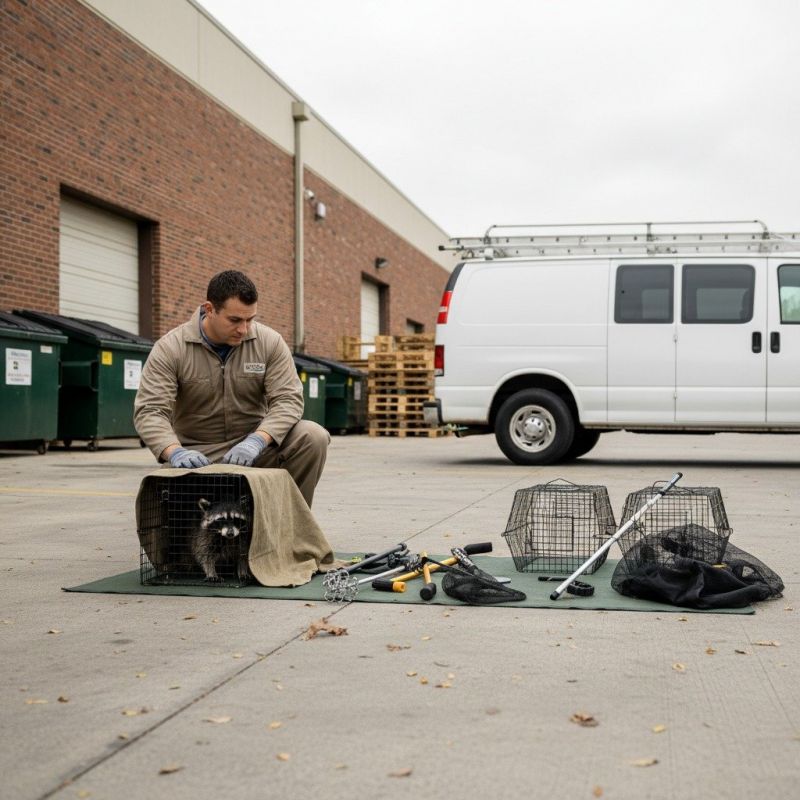
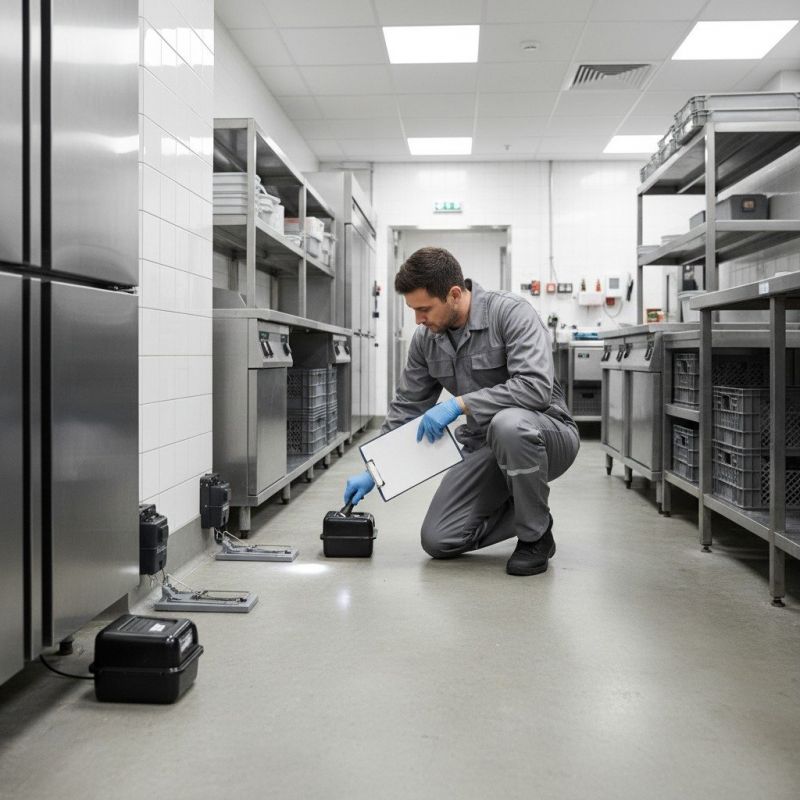
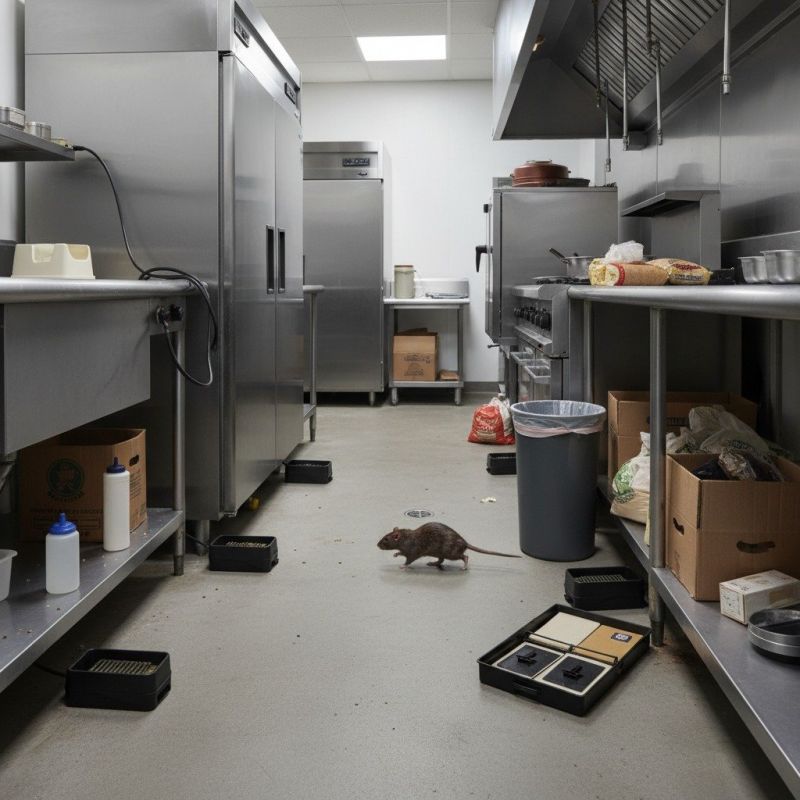
When people search for how small animals impact commercial buildings and business operations, they are often trying to understand how pests like rodents, bats, squirrels, or birds can affect their property and daily activities. This topic typically comes up when property owners notice signs of animal activity, such as droppings, strange noises, or damage to structures. Many are concerned about the potential for these animals to cause health issues, structural problems, or disruptions that can interfere with normal business functions. Understanding the connection helps owners recognize the importance of timely removal and prevention measures to maintain a safe and efficient environment.
Problems related to small animals in commercial settings can range from property damage to health hazards. For example, rodents may gnaw on wiring or insulation, creating fire risks and costly repairs, while birds nesting in vents can block airflow and cause ventilation issues. Small animals can also carry diseases that pose health risks to employees and visitors, making their presence more than just a nuisance. Business plans often include strategies for pest control, property maintenance, and structural repairs to mitigate these risks. Many property managers seek out local service providers who specialize in small animal removal to address existing problems and implement ongoing prevention measures.
The types of properties most frequently affected by small animals include warehouses, retail stores, office buildings, restaurants, and industrial facilities. These properties often have structural features or storage areas that attract animals, such as open rafters, unused attics, or accessible vents. Commercial buildings with large rooftops or extensive exterior landscaping can also be more vulnerable to bird or squirrel activity. Additionally, properties located near wooded areas, water sources, or urban environments tend to experience higher incidences of small animal issues. Recognizing the specific risks associated with different property types helps owners understand the importance of tailored solutions provided by local contractors experienced in small animal removal.
Understanding how small animals impact commercial buildings and business operations highlights the importance of prompt and professional intervention. Local service providers who specialize in small animal removal can assess the extent of the problem, identify entry points, and implement effective exclusion and removal strategies. Their expertise can help prevent future infestations, reduce the risk of property damage, and ensure a safe environment for employees and customers. For property owners facing issues with small animals, connecting with experienced local contractors can be a practical step toward maintaining the integrity and functionality of their commercial spaces, ultimately supporting smoother business operations.
Wildlife exclusion projects - these involve sealing entry points and preventing small animals from accessing commercial buildings, similar to techniques used in small animal removal services.
Pest proofing initiatives - planning and installing barriers to keep animals out of structures aligns with the skills used in small animal deterrent efforts.
Building inspection services - assessing structures for vulnerabilities that allow animal entry mirrors the assessment process in small animal control projects.
Structural repair projects - fixing damage caused by small animals, such as chewed wiring or insulation, relates closely to the repair work needed after animal intrusion.
Rodent control programs - managing and eliminating rodent populations in commercial settings shares planning and execution techniques with small animal removal.
Wildlife habitat modification - altering surrounding landscapes to reduce animal attraction involves similar planning skills used in preventing small animals from entering buildings.
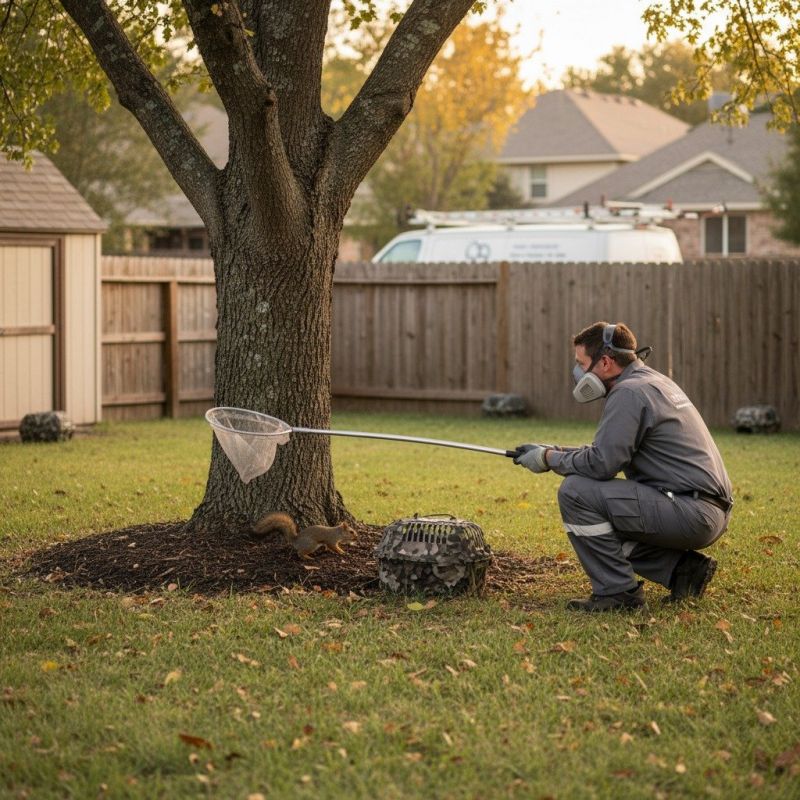
When evaluating service providers for commercial small animal removal, it is important to consider their experience with similar projects. A contractor with a history of handling small animal issues in commercial buildings will be better equipped to address the unique challenges that can arise, such as access points, building layouts, and the specific types of animals involved. Asking for references or examples of past work can help gauge their familiarity with these kinds of situations and their ability to deliver effective solutions that minimize disruption to business operations.
Clear written expectations are essential when comparing local contractors for small animal removal services. A reputable service provider should be able to outline the scope of work, the methods they plan to use, and any follow-up procedures in a detailed proposal or estimate. This clarity helps ensure that both parties understand what will be done, reducing the chances of misunderstandings or unmet expectations. Well-documented plans also serve as a reference point should any questions or issues arise during or after the project.
Effective communication is a key factor when choosing a contractor to handle small animal issues in a commercial setting. A professional service provider should be approachable, responsive, and willing to answer questions throughout the process. Good communication helps ensure that the project progresses smoothly, concerns are addressed promptly, and any necessary adjustments are made in a timely manner. This level of engagement can also provide confidence that the contractor is attentive to the specific needs of the business and committed to delivering a thorough and considerate service.
Property owners often search for how small animals impact commercial buildings and business operations when they are planning practical projects around their homes and businesses. Local pros provide Commercial Small Animal Removal services for everyday jobs and straightforward project options.
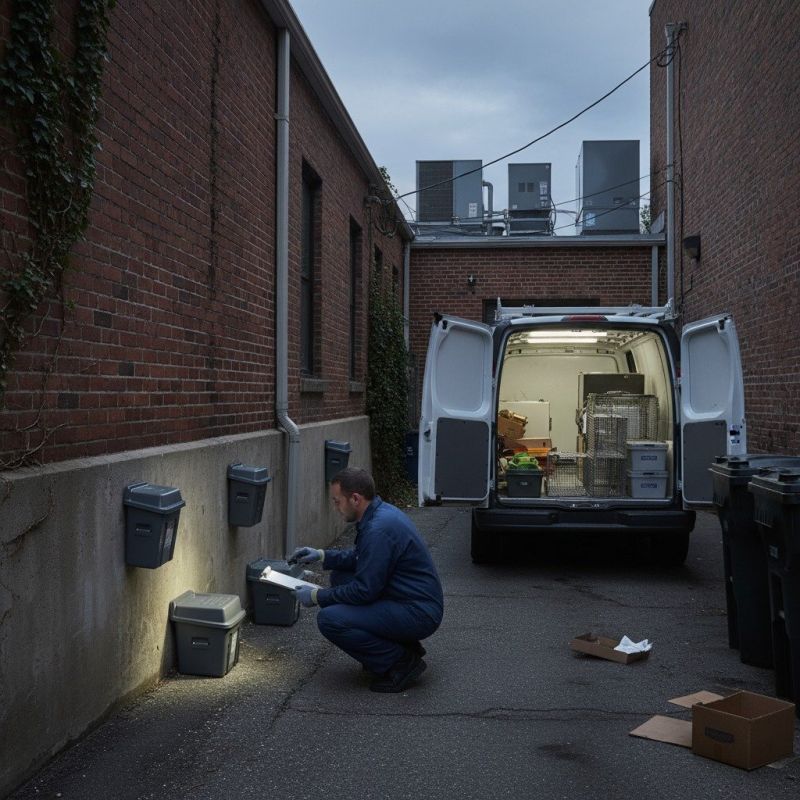
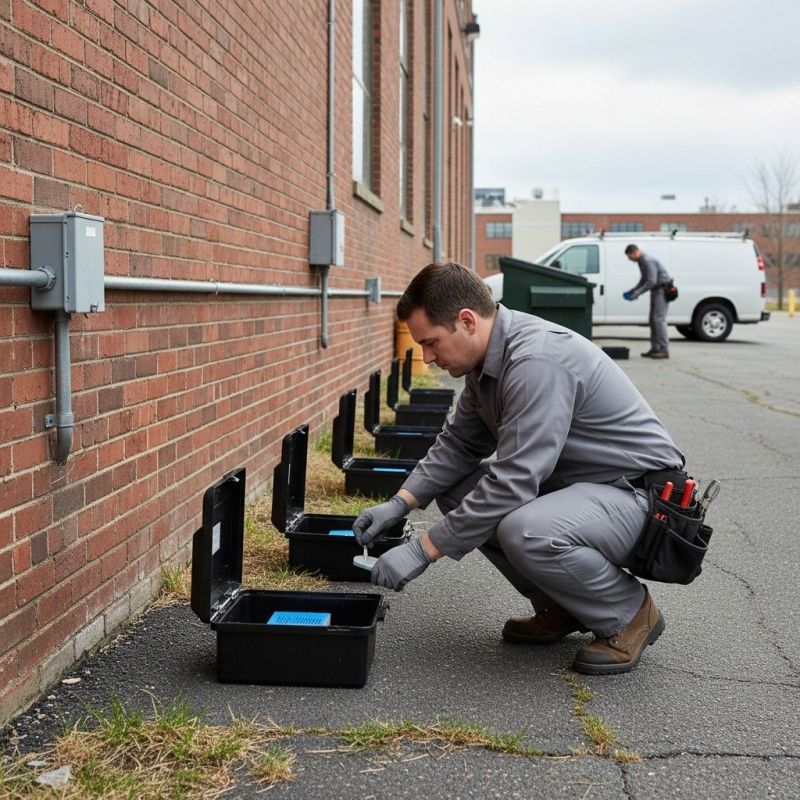
Small animals such as rodents, birds, and insects can cause significant disruptions to commercial buildings and business operations. These pests often find ways into structures through small openings or damaged areas, leading to potential property damage, contamination, and sanitation concerns. For property owners managing retail spaces, offices, or industrial facilities, even minor infestations can escalate quickly, resulting in increased maintenance costs and operational downtime. Addressing these issues promptly with the help of local contractors who specialize in small animal removal can help prevent larger problems and maintain a safe, clean environment for staff and customers alike.
Business owners may also face challenges related to small animals impacting building integrity and compliance standards. Chewing through wiring, insulation, or structural components can create safety hazards and lead to costly repairs. Additionally, certain animals may carry diseases or parasites that pose health risks to employees and visitors. Local service providers experienced in commercial small animal removal can assess the situation, safely eliminate pests, and implement measures to prevent future invasions. This proactive approach helps ensure that business operations continue smoothly without unexpected interruptions caused by small animal-related issues.
How do small animals affect the structural integrity of commercial buildings? Small animals such as rodents can cause damage to insulation, wiring, and building materials, leading to potential safety hazards and costly repairs. Local contractors experienced in small animal removal can identify and address these issues to protect the building’s integrity.
In what ways can small animals impact business operations? Small animals can disrupt daily activities by contaminating food supplies, damaging equipment, and creating health concerns. Professional removal services help minimize these disruptions and maintain a safe environment for staff and customers.
Why is small animal removal important for commercial property management? Removing small animals prevents infestations, reduces property damage, and helps maintain compliance with health and safety standards. Local service providers can efficiently handle these removals to support ongoing business operations.
What health risks are associated with small animals in commercial buildings? Small animals can carry diseases and parasites that pose health risks to employees and visitors. Expert removal ensures the safety of the indoor environment by properly eliminating these animals and preventing disease transmission.
How can small animals affect the reputation of a business? Visible signs of infestation or damage caused by small animals can negatively impact customer perceptions and trust. Engaging local pros for removal helps address issues promptly and maintains a professional business appearance.
Identifying entry points - property owners can work with local contractors to find and seal gaps that small animals use to access buildings, preventing future infestations.
Inspecting building structures - routine assessments by local pros help detect signs of small animal activity that could lead to damage or operational disruptions.
Implementing exclusion measures - applying professional exclusion techniques ensures small animals are kept out, reducing the risk of contamination and structural harm.
Managing ongoing prevention - regular maintenance and monitoring services from local experts support long-term protection against how small animals impact commercial properties.
If you are thinking about how small animals impact commercial buildings and business operations for a property, this guide is meant to help you understand this topic, the typical project types, and how different options might fit your plans.
When you are ready, you can use the quote form on this page to share a few details about your project. From there, local pros can review the basics and follow up with options that match what you have in mind.