How Squirrels Damage Roofs and Attics and What to Do About It
People searching for squirrel removal are usually trying to prevent damage to their roofs and attics, and local service providers can help eliminate squirrels and protect their homes.
Many property owners in the area find themselves concerned about the potential damage squirrels can cause to their roofs and attics. These small creatures often seek warm, hidden spaces to nest, which can lead to significant issues such as chewed wiring, compromised roofing materials, and unwanted debris accumulating inside. Understanding how squirrels damage roofs and attics can help homeowners recognize early signs of trouble and take proactive steps to protect their property. Exploring this topic is especially relevant for those who have noticed unusual noises, droppings, or signs of entry around their homes, as local contractors specializing in squirrel removal can provide effective solutions to address these problems.
For residents looking to safeguard their homes, knowing what to do about squirrel-related damage is key. Local service providers are experienced in handling squirrel removal and can assist with sealing entry points, removing nests, and preventing future invasions. Connecting with these professionals offers practical ways to restore safety and integrity to a property affected by squirrel activity. Keep reading to learn more about how squirrels damage roofs and attics, and discover how local experts can help homeowners effectively manage and resolve these issues.
- Squirrel Removal - when squirrels are found nesting in roofs or attics, local contractors can safely remove them and prevent further damage.
- Attic Inspection and Squirrel Damage Repair - if signs of gnawing or nesting are present, service providers assess the extent of damage and recommend repairs.
- Exclusion and Entry Point Sealing - when squirrels are entering through roof vents or gaps, local pros can seal openings to block access.
- Roof Damage Assessment and Reinforcement - in cases where squirrels have caused structural damage, experts evaluate and reinforce vulnerable areas.
- Preventative Squirrel Proofing - for ongoing protection, service providers install barriers and deterrents to keep squirrels out of roofs and attics.
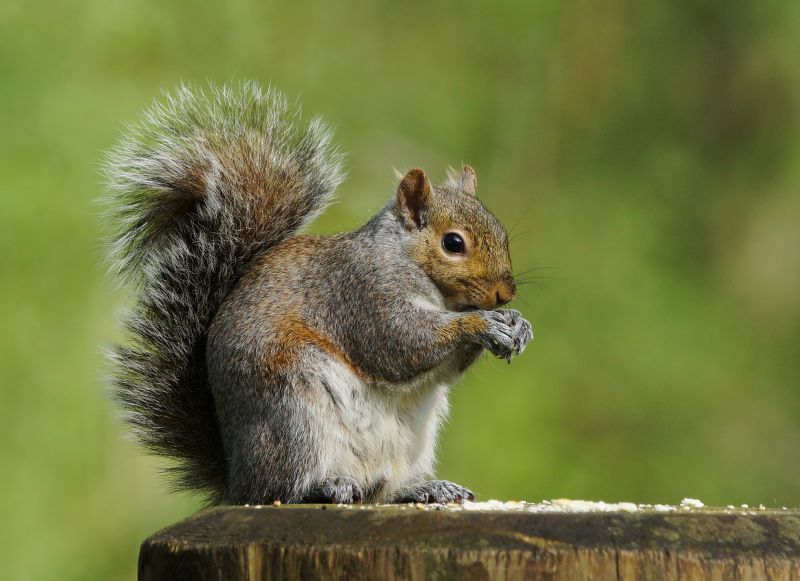
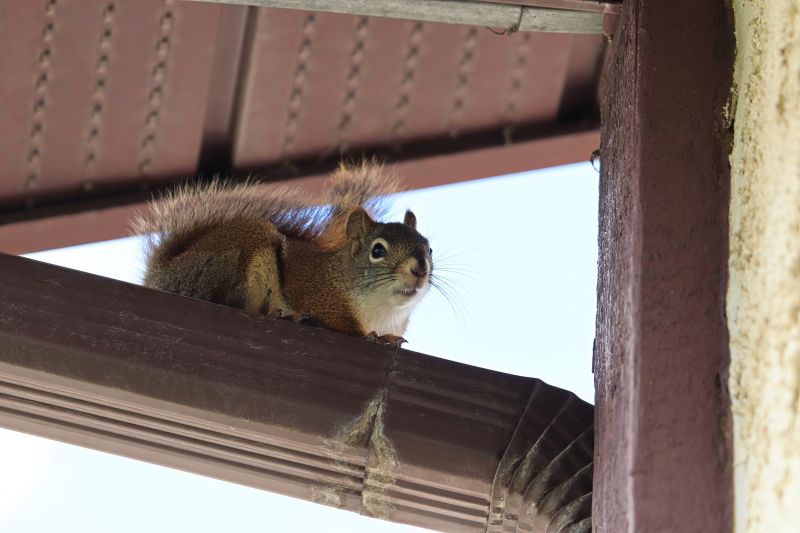
When homeowners search for information on how squirrels damage roofs and attics and what to do about it, they are typically concerned about the safety and integrity of their property. Squirrels are known for their ability to nest in and around residential structures, especially in attics, where they seek shelter and warmth. This search often stems from noticing signs of intrusion, such as chewed wiring, gnawed wood, or unusual noises, prompting questions about the extent of damage and the best ways to address it. Understanding this topic helps homeowners identify potential risks, prevent further damage, and protect their homes from future squirrel-related issues.
The problems related to how squirrels damage roofs and attics are varied but often include structural harm, electrical hazards, and insulation contamination. Squirrels tend to chew on wood, shingles, and wiring, which can compromise the roof’s integrity and create entry points for other pests or weather elements. Their nesting activities can also lead to insulation becoming soiled or displaced, reducing the energy efficiency of the home. Many property owners plan to remove the squirrels and repair the damage, which makes finding experienced service providers a key step in the process. Local contractors who specialize in squirrel removal and attic repairs can assess the damage and implement effective solutions to restore the property.
Properties most commonly affected by squirrel damage include residential homes, especially those with accessible attics or poorly sealed roofs. Older houses, homes with overhanging trees, or structures with gaps or cracks in the roof and soffits are particularly vulnerable. Attics that are not well-insulated or ventilated tend to attract squirrels, as they provide easy access to nesting sites. Commercial buildings with similar vulnerabilities can also experience squirrel-related problems, though residential properties are the most frequent. Recognizing the types of properties at risk helps homeowners prioritize inspections and repairs, and connect with service providers who understand the specific challenges of each property type.
Addressing how squirrels damage roofs and attics involves more than just removing the animals; it requires a comprehensive approach to repair and prevention. Local service providers experienced in squirrel removal can help identify entry points, safely trap and remove the pests, and recommend sealing or reinforcing vulnerable areas. They can also advise on repairing any structural damage, replacing chewed insulation, and installing barriers to prevent future intrusions. Engaging with these professionals ensures that the property is not only free of squirrels but also protected against recurring issues. Proper repairs and preventive measures are essential to maintaining the safety, functionality, and value of the home or building.
Attic Insulation Installation - Professionals who install attic insulation often address issues caused by squirrels damaging roofs and attics, helping prevent further pest entry and insulation deterioration.
Roof Repair Services - Local contractors experienced in roof repairs can fix damage resulting from squirrel activity, such as holes or weakened shingles, to protect the home.
Attic Pest Proofing - Pest proofing specialists help seal entry points and reinforce attic vents, which is essential after squirrel damage to prevent re-infestation.
Gutter Cleaning and Maintenance - Gutter service providers assist in clearing blockages and repairing damage caused by squirrels nesting or chewing around roof eaves.
Exclusion and Wildlife Proofing - Experts in wildlife exclusion install barriers and vents to keep squirrels out of roofs and attics, reducing damage risks.
Roof Vent Repair and Installation - Repairing or replacing damaged roof vents is a common service after squirrel activity compromises attic ventilation systems.
When evaluating service providers for squirrel removal and related damage repairs, it is important to consider their experience with similar projects. Homeowners should seek out local contractors who have a track record of handling squirrel-related issues, such as damage to roofs and attics, to ensure they are familiar with common entry points and effective removal techniques. An experienced professional is more likely to identify underlying problems that contribute to squirrel intrusion and to recommend appropriate solutions that prevent future damage.
Clear written expectations are essential when comparing local contractors. Homeowners should look for providers who can outline the scope of work, including inspection, squirrel removal, and any necessary repairs, in a detailed and understandable manner. This helps ensure that both parties are aligned on what will be done, reducing misunderstandings and providing clarity on the process. A transparent approach to planning and pricing can also serve as an indicator of professionalism and reliability.
Reputable references and good communication are key factors in selecting a service provider. Homeowners are encouraged to ask for references or reviews from previous clients who had similar issues, as these can provide insight into the quality of work and customer service. Additionally, service providers who communicate clearly and promptly can better address questions or concerns throughout the project. Choosing a contractor who demonstrates professionalism and responsiveness can lead to a smoother experience when dealing with how squirrels damage roofs and attics and what to do about it.
Property owners often search for how squirrels damage roofs and attics and what to do about it when they are planning practical projects around their homes and businesses. Local pros provide Squirrel Removal services for everyday jobs and straightforward project options.
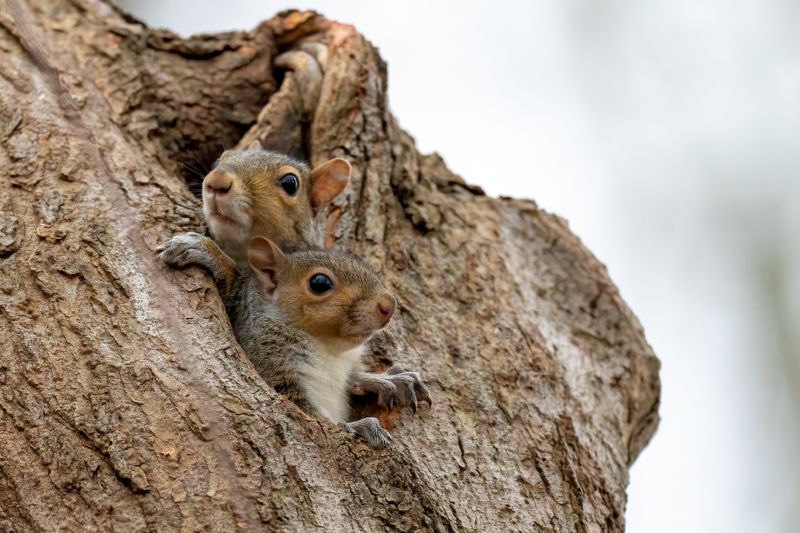
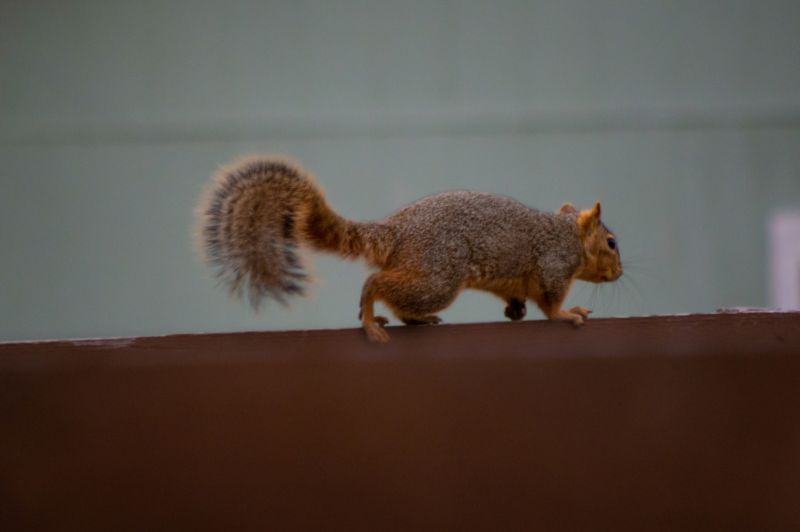
Squirrels often find roofs and attics to be ideal spots for nesting and storing food, which can lead to significant property damage over time. They may chew through shingles, vent covers, and wood fascia, creating entry points that allow them access to the interior spaces. Once inside, squirrels can cause further harm by gnawing on insulation, wiring, and structural elements, potentially leading to costly repairs and safety issues. Property owners in the area who notice unusual noises, droppings, or signs of chewed materials might search for information on how squirrels damage roofs and attics and what steps to take to prevent further problems.
When signs of squirrel activity are evident, many turn to local contractors who specialize in squirrel removal services. These professionals can assess the extent of the damage, identify entry points, and implement humane removal methods. In addition, they often provide recommendations for sealing openings and preventing future invasions. Connecting with experienced service providers ensures that property owners can address squirrel-related damage effectively and restore the integrity of their roofs and attics.
How do squirrels damage roofs and attics? Squirrels can cause damage by gnawing on roof shingles, vents, and wiring, creating entry points that allow them to access attics and insulation. Once inside, they may nest, urinate, and defecate, leading to further deterioration and health concerns.
What signs indicate squirrels have damaged my roof or attic? Visible gnaw marks, shredded insulation, droppings, and signs of nesting materials are common indicators of squirrel activity. Unusual noises in the attic and sightings of squirrels near the roof may also suggest an infestation.
How can local service providers help with squirrel-related roof and attic damage? Experienced contractors can identify entry points, remove squirrels safely, and implement repairs to prevent future intrusions. They may also recommend sealing vulnerabilities to protect the home from further damage.
What steps should be taken after discovering squirrel damage? It’s important to have a professional assess the extent of the damage, remove any squirrels or nests, and perform necessary repairs to restore roof integrity and prevent re-entry.
Why is professional squirrel removal recommended for roof and attic damage? Professionals have the expertise to safely handle wildlife removal, properly repair entry points, and ensure the problem is fully resolved, reducing the risk of ongoing damage or health issues.
Inspecting roof vents and eaves - property owners can identify potential entry points for squirrels and work with local contractors to seal gaps.
Installing squirrel-proof barriers - adding barriers around chimneys and attic vents can prevent squirrels from gaining access and causing damage.
Performing regular attic checks - routine inspections help detect early signs of squirrel activity and coordinate with service providers for removal if needed.
Repairing damaged roof components - replacing or reinforcing weakened shingles and woodwork can reduce the risk of squirrel entry and attic damage.
If you are thinking about how squirrels damage roofs and attics and what to do about it for a property, this guide is meant to help you understand this topic, the typical project types, and how different options might fit your plans.
When you are ready, you can use the quote form on this page to share a few details about your project. From there, local pros can review the basics and follow up with options that match what you have in mind.